The Problem
Modern security tools generate noise — not clarity
Organizations rely on multiple security tools: code scanning (SAST), CI/CD security, cloud security, secrets detection, and identity systems. Each generates alerts. None of them are connected.
The result:
- Thousands of alerts across fragmented systems
- No shared context between tools
- No understanding of real exposure
- Prioritization based on severity — not actual impact
Security teams couldn't answer the questions that matter most: Which issues actually matter right now? Which ones reached production? Where is risk concentrated?
The Opportunity
Shift from alert-based to context-driven risk
The opportunity wasn't to build another dashboard — it was to fundamentally change how security teams understand risk. Instead of treating issues individually, Phantom treats risk as a system.
From isolated alerts → to connected risk intelligence.
Solution
A unified view of risk across the entire lifecycle
Phantom introduces a new way to understand security by connecting issues across the entire lifecycle — from code to CI/CD to production — and surfacing only what truly matters.
- Connect issues across the entire development lifecycle
- Map risk from code → CI/CD → production
- Surface only what truly matters
- Enable prevention instead of reaction
Design Decisions
Key Product Decisions
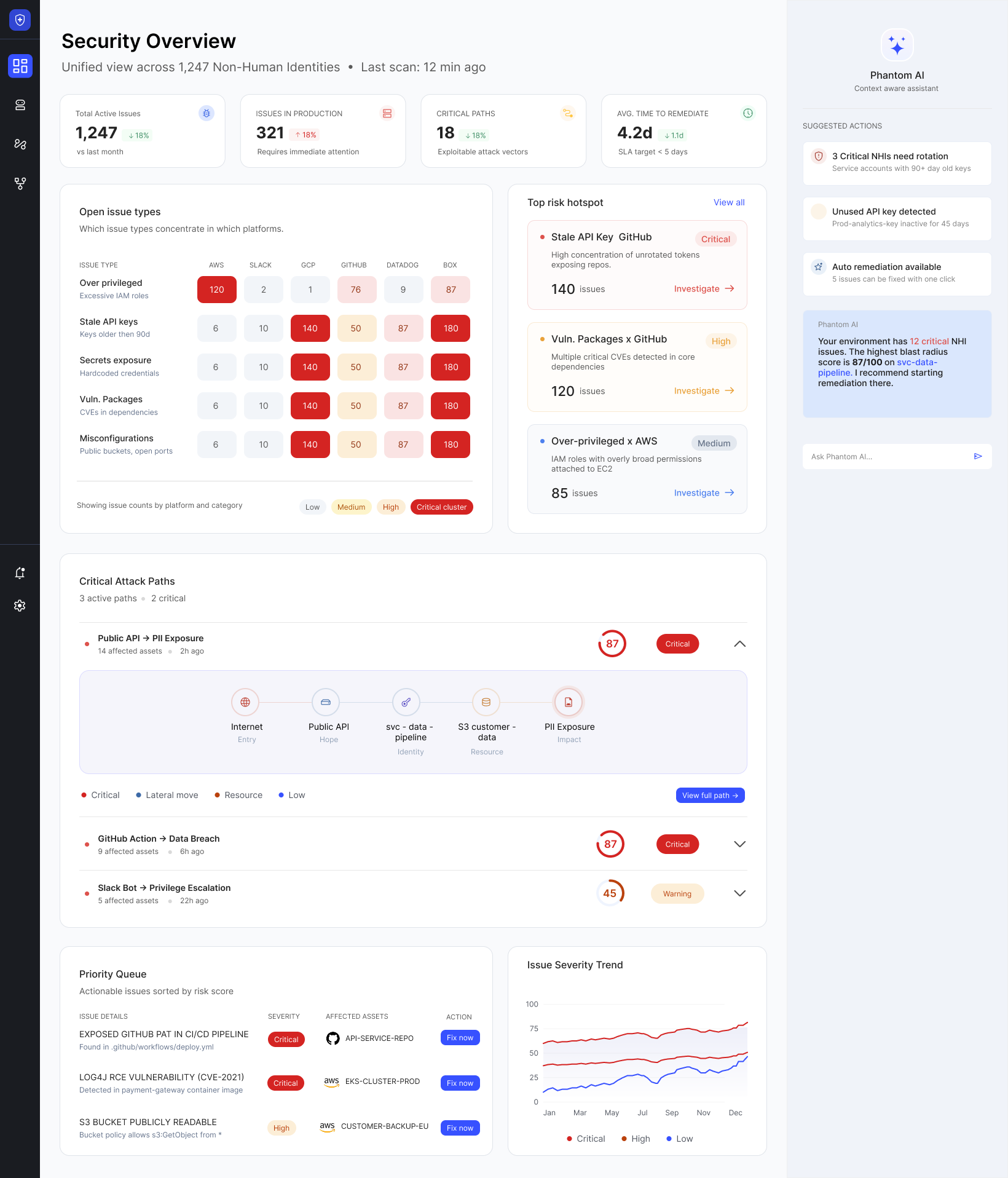
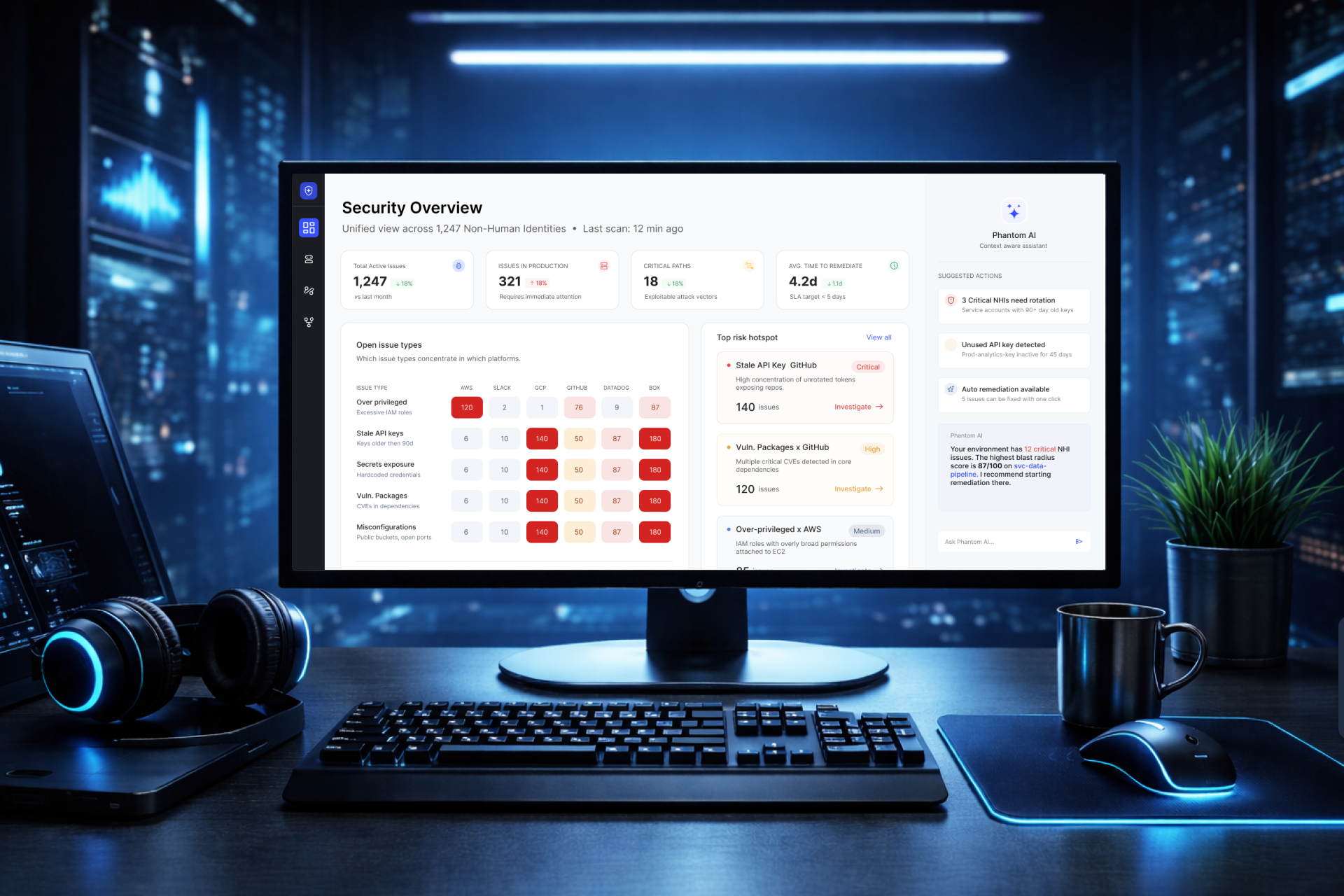
Traditional dashboards show numbers. Phantom shows risk distribution. The heatmap maps issue types × platforms — highlighting concentration of risk and surfacing systemic problems instantly.
Faster scanning
Pattern recognition
Immediate clarity
Heatmaps show patterns — but users need direction. A focused panel highlights the highest risk concentrations, combining signals from type, platform, and volume for instant prioritization without analysis overhead.
Instant prioritization
No analysis overhead
Most dashboards stop at insights. Teams need actions. A prioritized list based on exposure, reachability, and business impact — each item includes context, ownership, and a recommended action.
Insights → decisions
Clear ownership
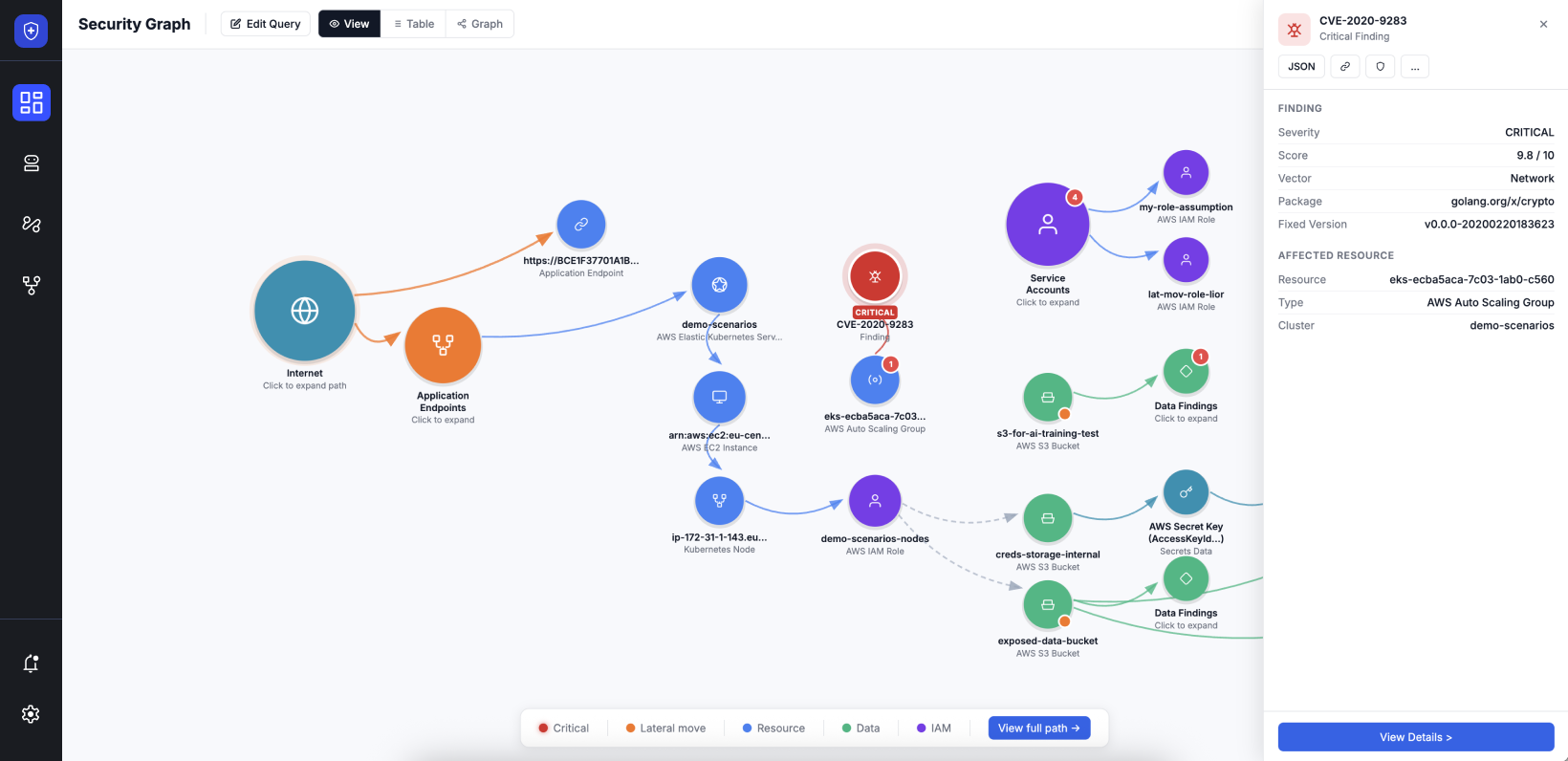
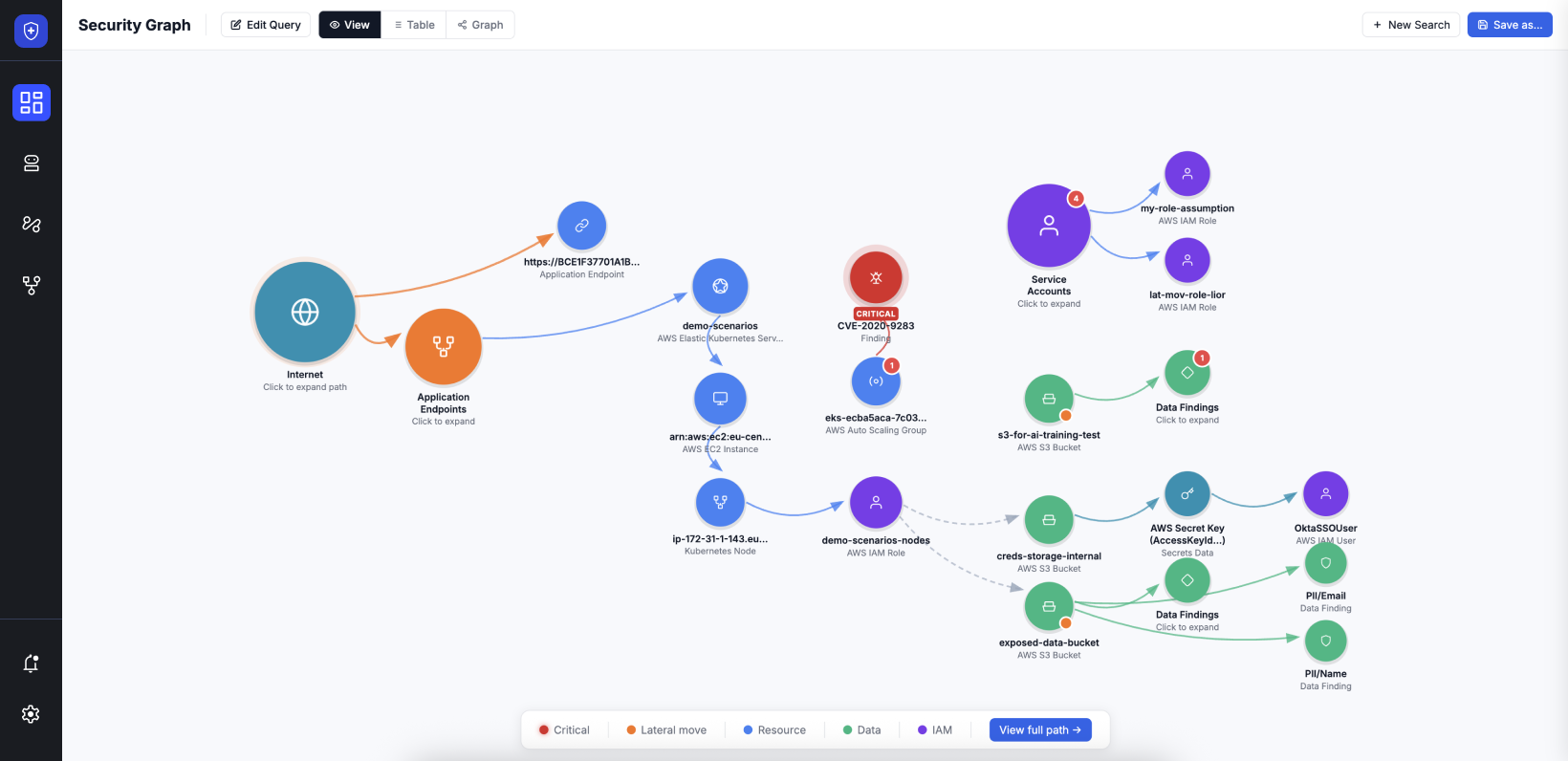
Security issues don't appear — they propagate. A flow-based visualization traces risk from Code → CI/CD → Production, revealing where risk started, how it moved, and where intervention failed.
Prevention over reaction
Root cause clarity
Design Principles
Principles that guided every decision
01
Clarity over completeness
Remove noise, highlight what matters. Less is more when stakes are high.
02
Context over volume
Connections matter more than counts. One connected insight beats a hundred isolated alerts.
03
Action over information
Every insight leads to a decision. The interface doesn't stop at showing — it drives doing.
Challenges
Hard problems we had to solve
Security tools generate massive datasets with no built-in hierarchy. Solution: abstraction and aggregation — surface patterns, not raw numbers.
Each system works in isolation with its own schema and severity model. Solution: a unified data model concept that normalizes signals across all tools.
Severity alone doesn't reflect real risk — a low-severity issue in production can be more dangerous than a critical one in dev. Solution: combine exposure, propagation, and business impact.
Results
Outcome
Before
- Fragmented tools
- Alert overload
- Reactive workflows
After
- Unified risk view
- Clear prioritization
- Actionable system
Security teams can answer critical questions independently
Risk is visible across the full development lifecycle
Prioritization is driven by impact — not just severity
Teams shifted from reactive to preventive security workflows
Takeaway
What This Project Shows
This project demonstrates my ability to:
- Design data-heavy, complex interfaces with clarity
- Translate deep technical domains into accessible product experiences
- Think in systems — not just screens
- Design for decision-making, not just visualization