Challenge
The Challenge
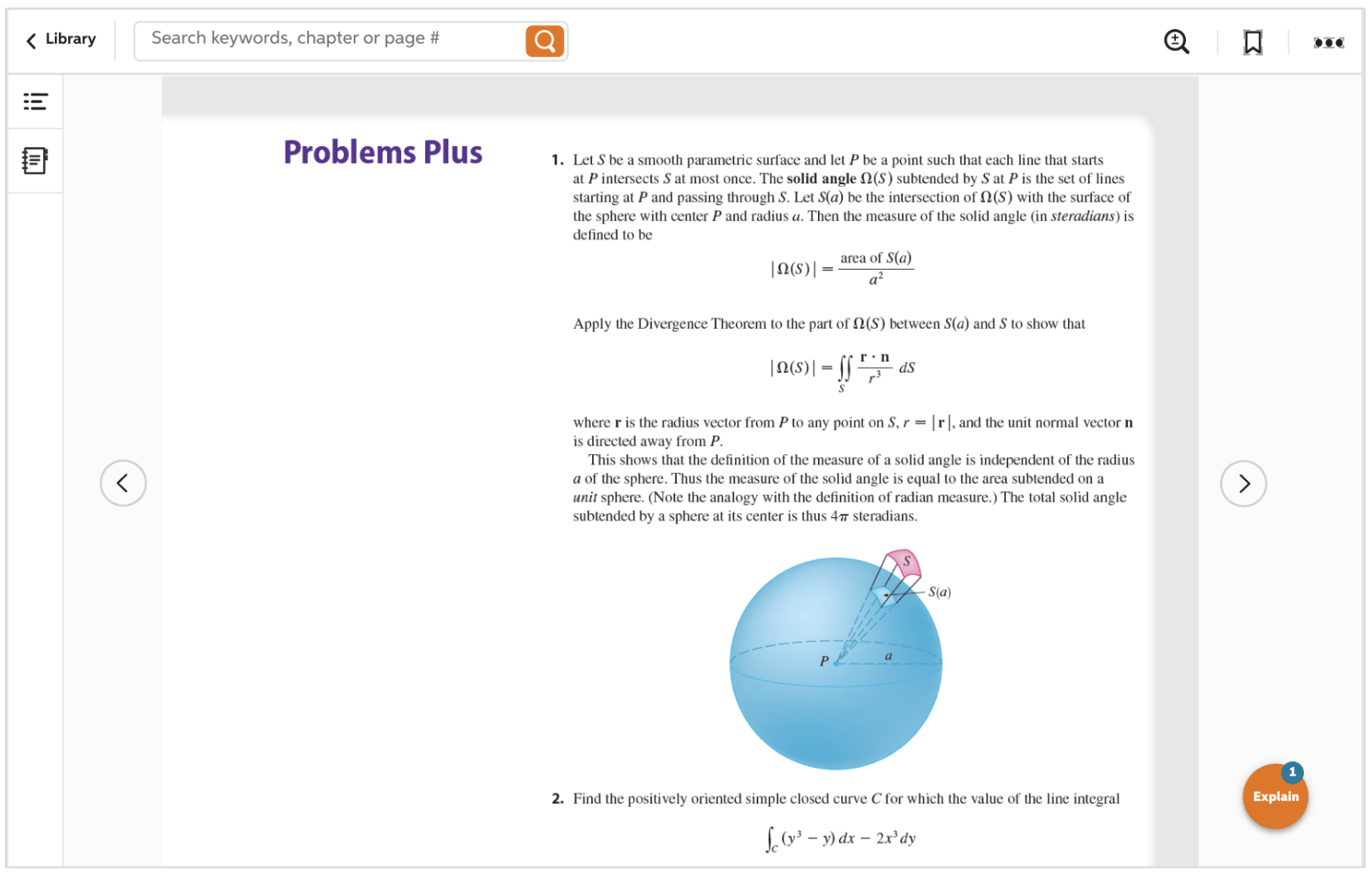
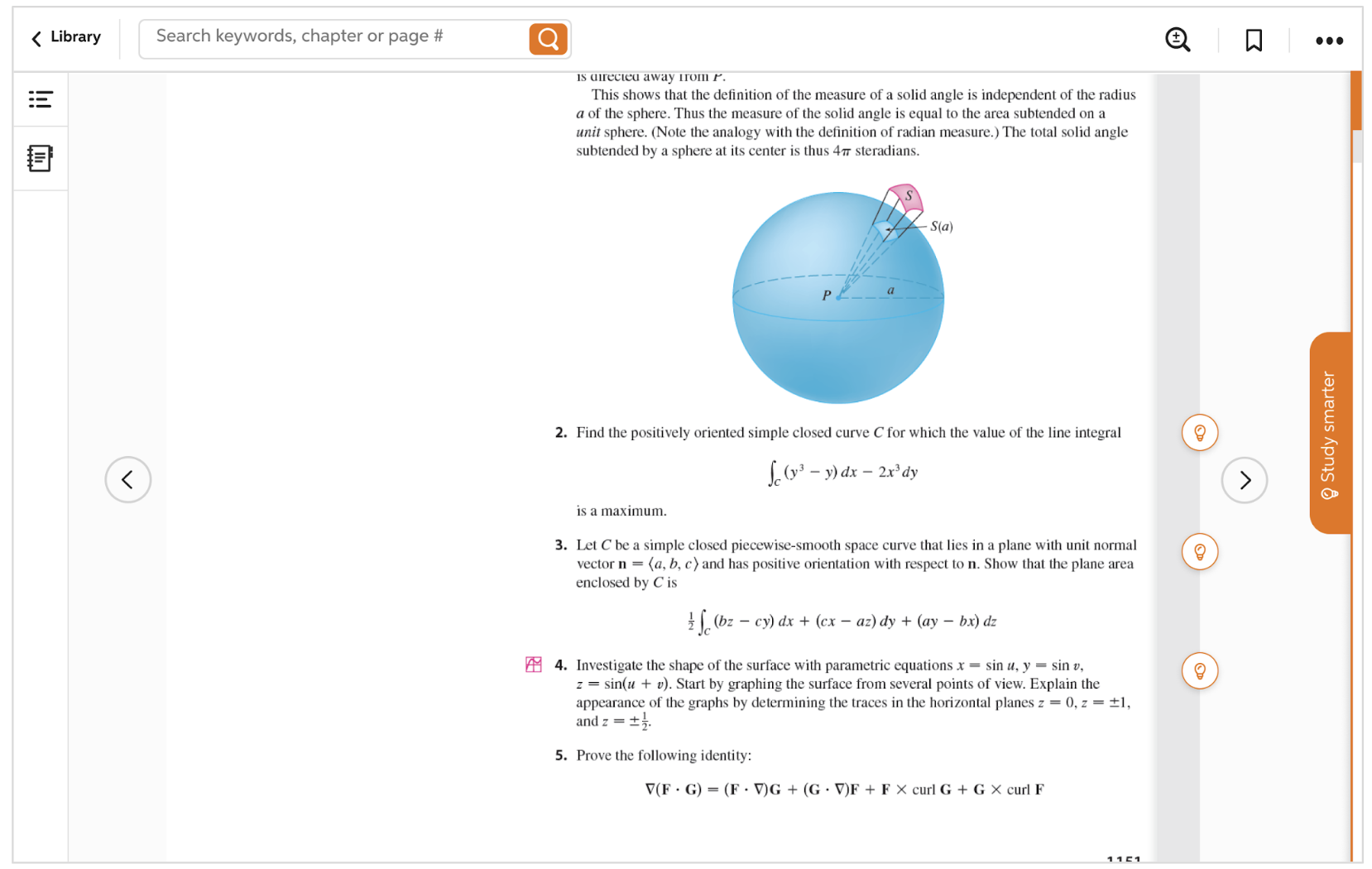
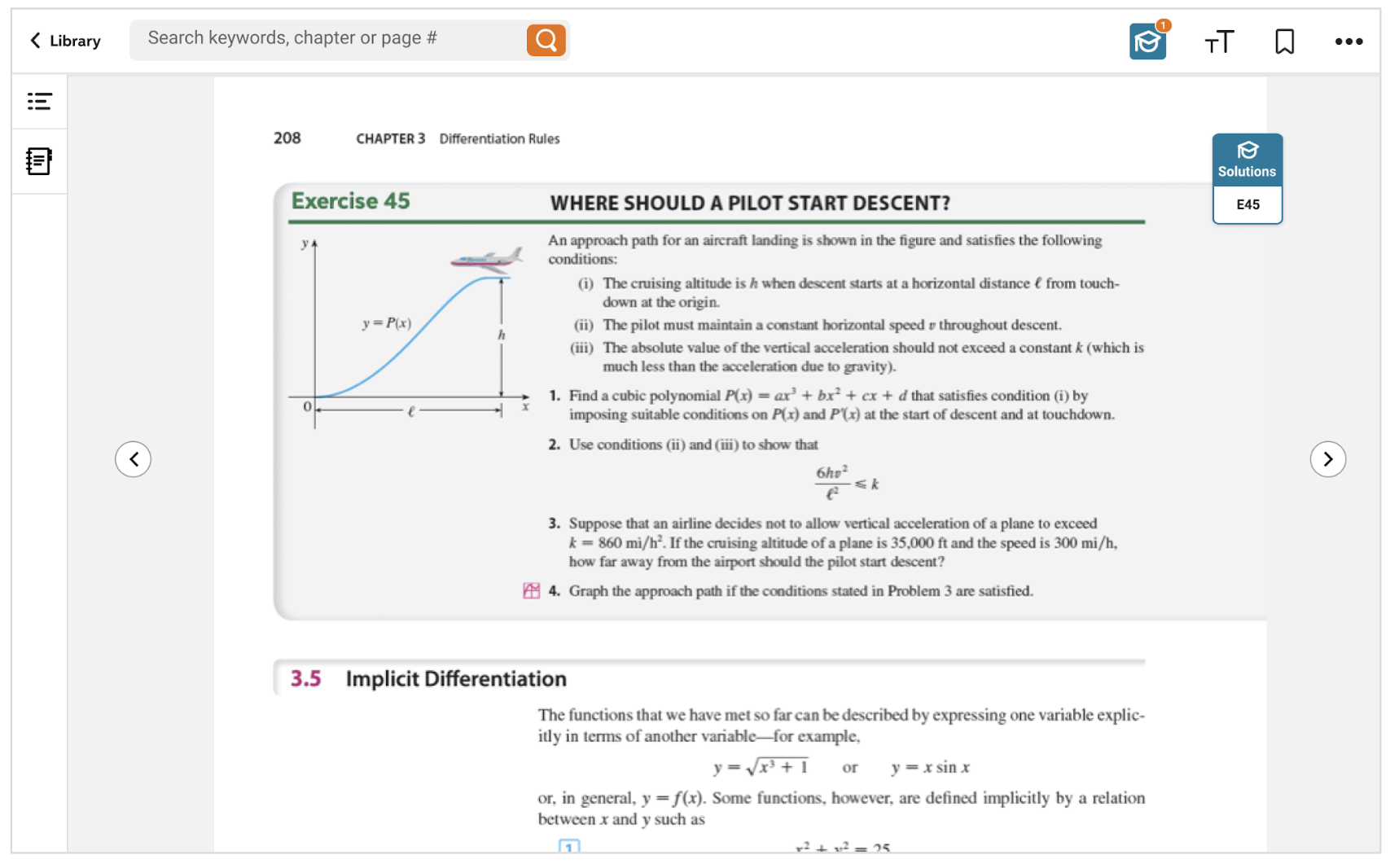
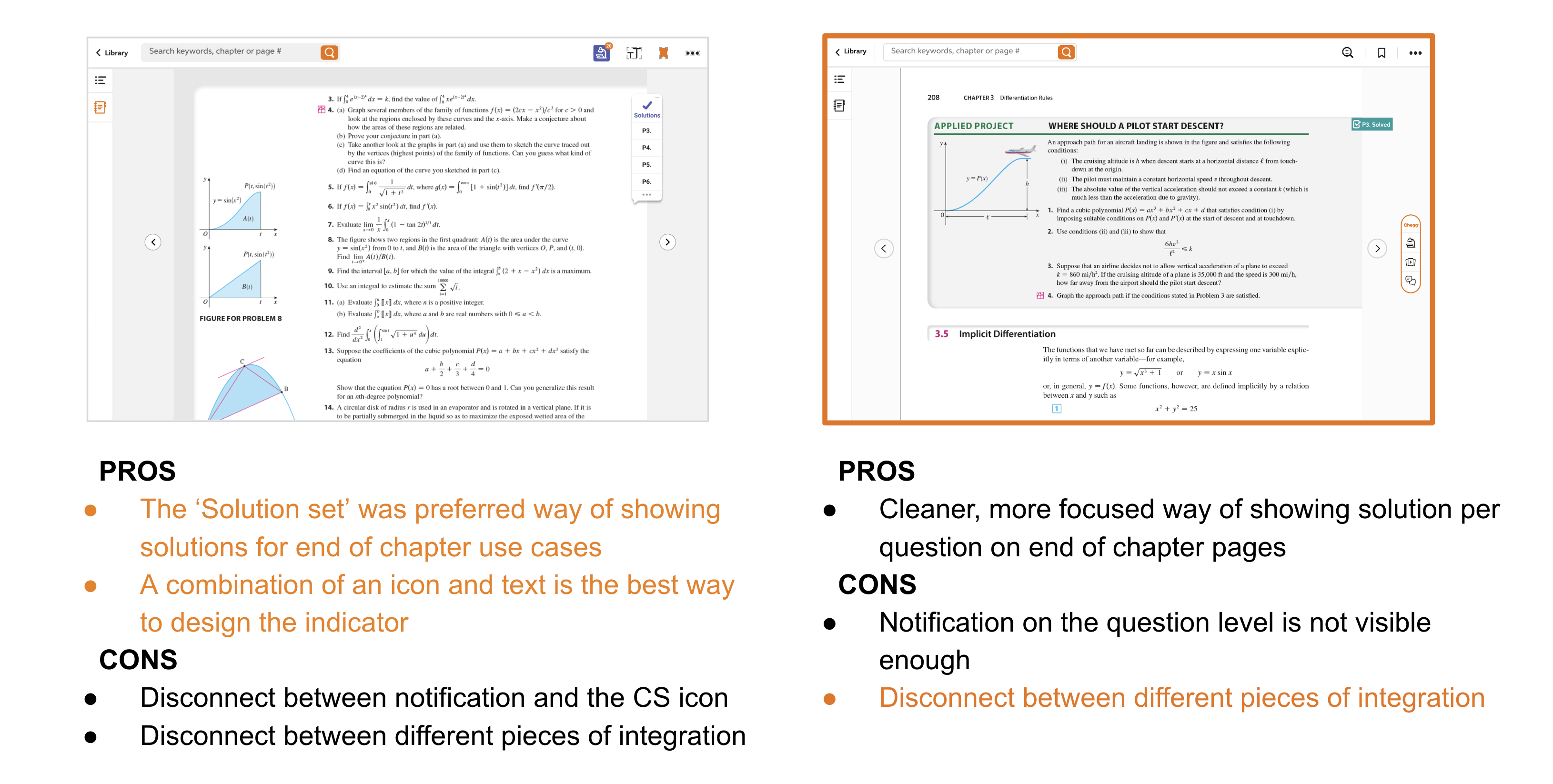
Students increasingly rely on mobile devices to access textbooks and course materials. However, navigating large amounts of academic content on small screens can be challenging.
The goal was to understand real student behaviors and identify opportunities to improve the mobile reading experience.
Research
Goals & Approach
The project aimed to explore how students access academic content and how digital textbooks can better support their study habits.
The research focused on identifying key behaviors, challenges, and opportunities related to reading and studying using mobile devices.
The process combined user interviews, usability testing, competitive analysis, and design exploration to better understand how students navigate digital learning materials.
Research
Research Questions
The research aimed to answer several key questions:
- How do students currently read and navigate digital textbooks?
- What challenges do they face when studying on mobile devices?
- How do students locate relevant information within academic content?
- Which features help students study more efficiently?
- How should learning tools integrate with the reading experience?
Understanding these questions helped define opportunities for improving the digital reading experience.
Research
Method
To explore these questions, I conducted both moderated and unmoderated research sessions with students.
The research process included:
- UserTesting sessions with 6 university students
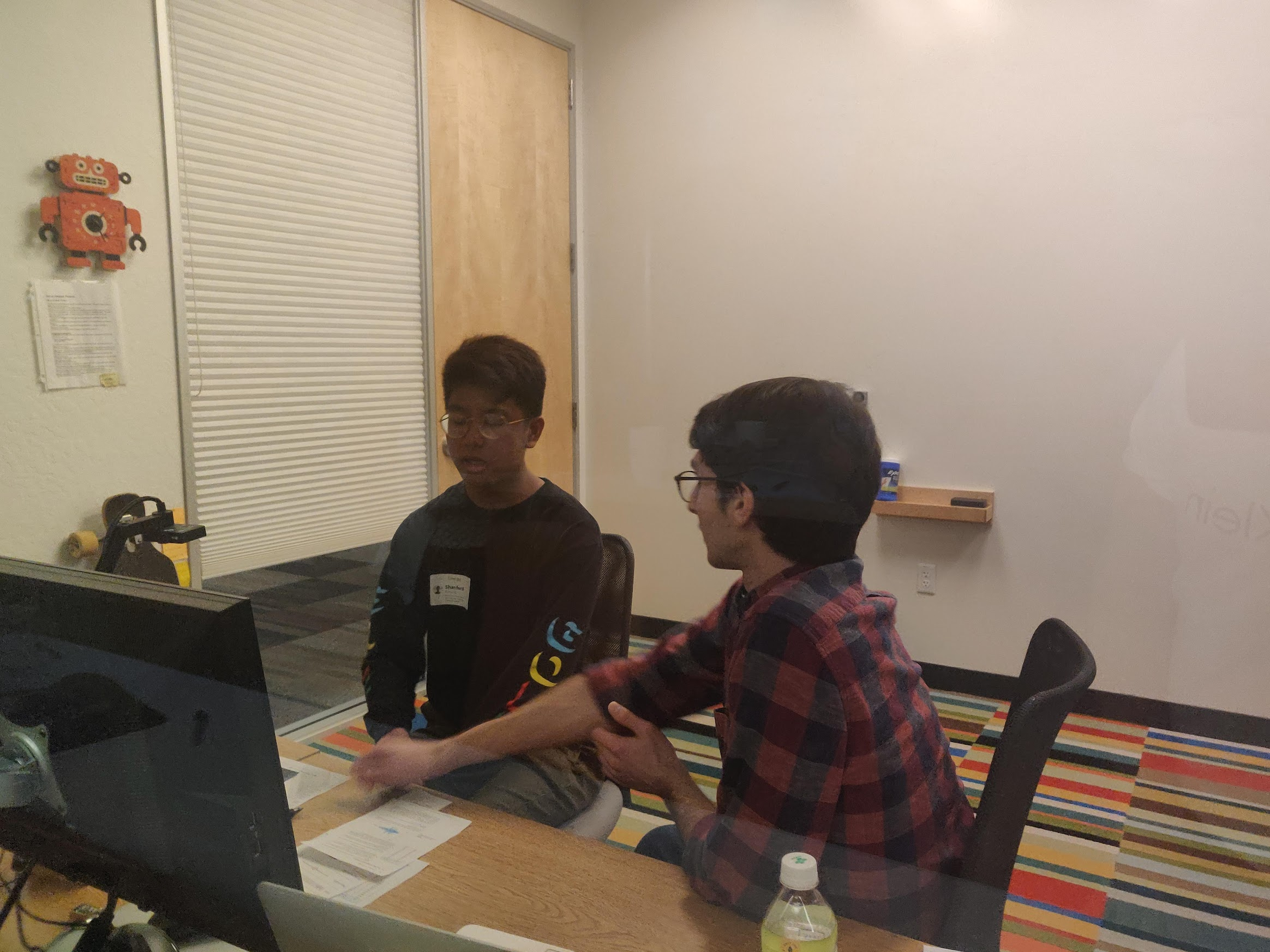
- In-person usability sessions with 5 students
- Observing how students navigate digital learning tools
- Testing early interaction concepts and prototypes
- Collecting qualitative feedback on reading behaviors
5
In-person usability sessions
11
Total students researched
Research
Competitive Analysis
To better understand the landscape of digital reading tools, I analyzed several existing platforms used by students.
The analysis focused on identifying how current products support navigation, reading workflows, and study tools.
Platforms reviewed included:
- Kindle
- Apple Books
- Google Play Books
- Other digital reading platforms
The analysis revealed that most platforms focus primarily on reading experiences, while students often require additional tools that support studying and information retrieval.
Research
Research Findings
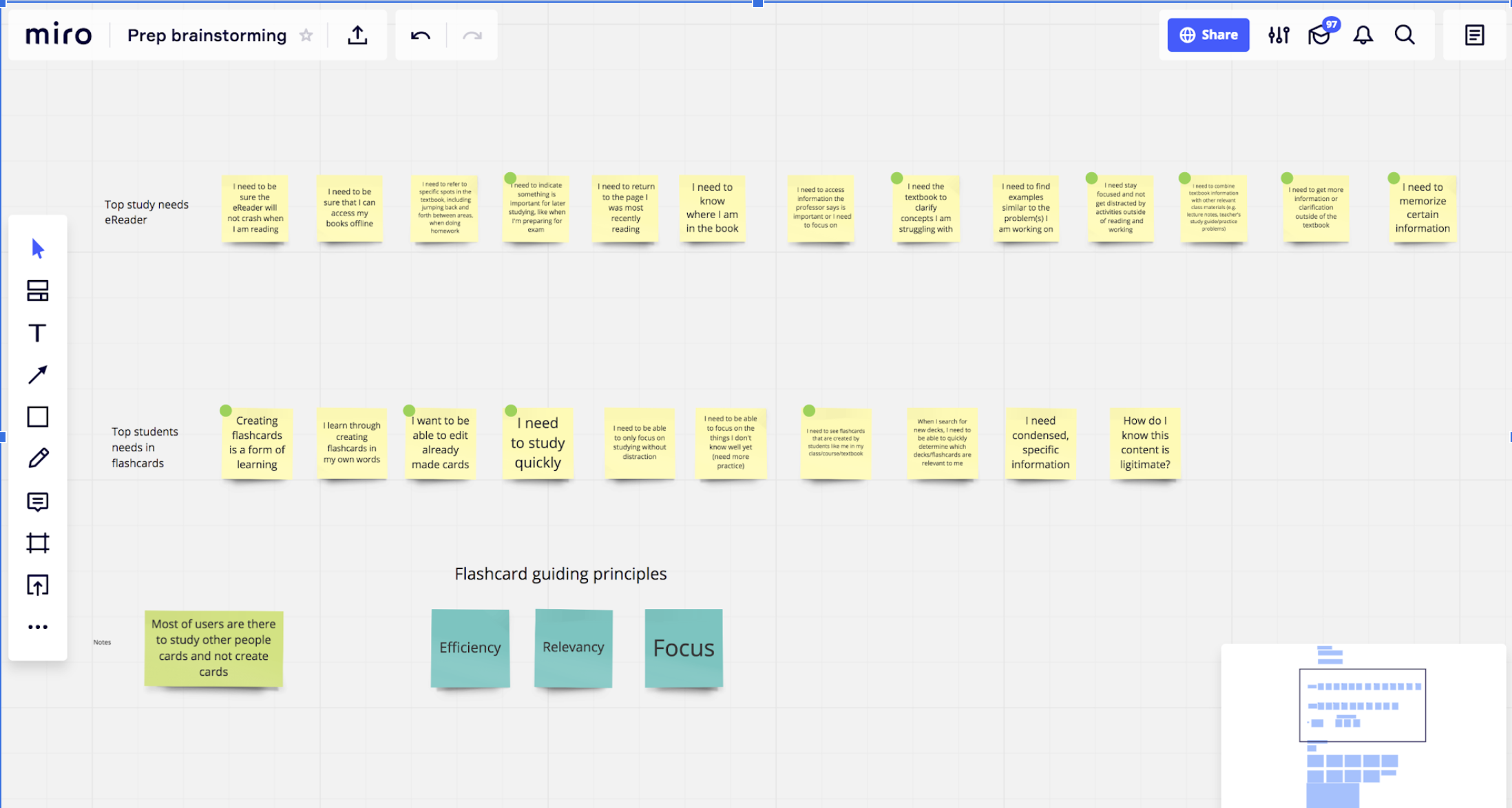
Through the research sessions several behavioral patterns emerged.
Students interact with textbooks very differently from how traditional reading applications are designed.
Many participants used textbooks primarily as a reference tool rather than reading them from beginning to end.
Insights
Key Insights
Students rarely read entire chapters. Instead, they jump between sections to find relevant information that supports assignments or exam preparation.
Search, bookmarks, and chapter navigation are essential for efficiently accessing academic content.
Students prefer when highlights, notes, and references are embedded within the reading interface rather than existing as separate tools.
Design
Design Exploration
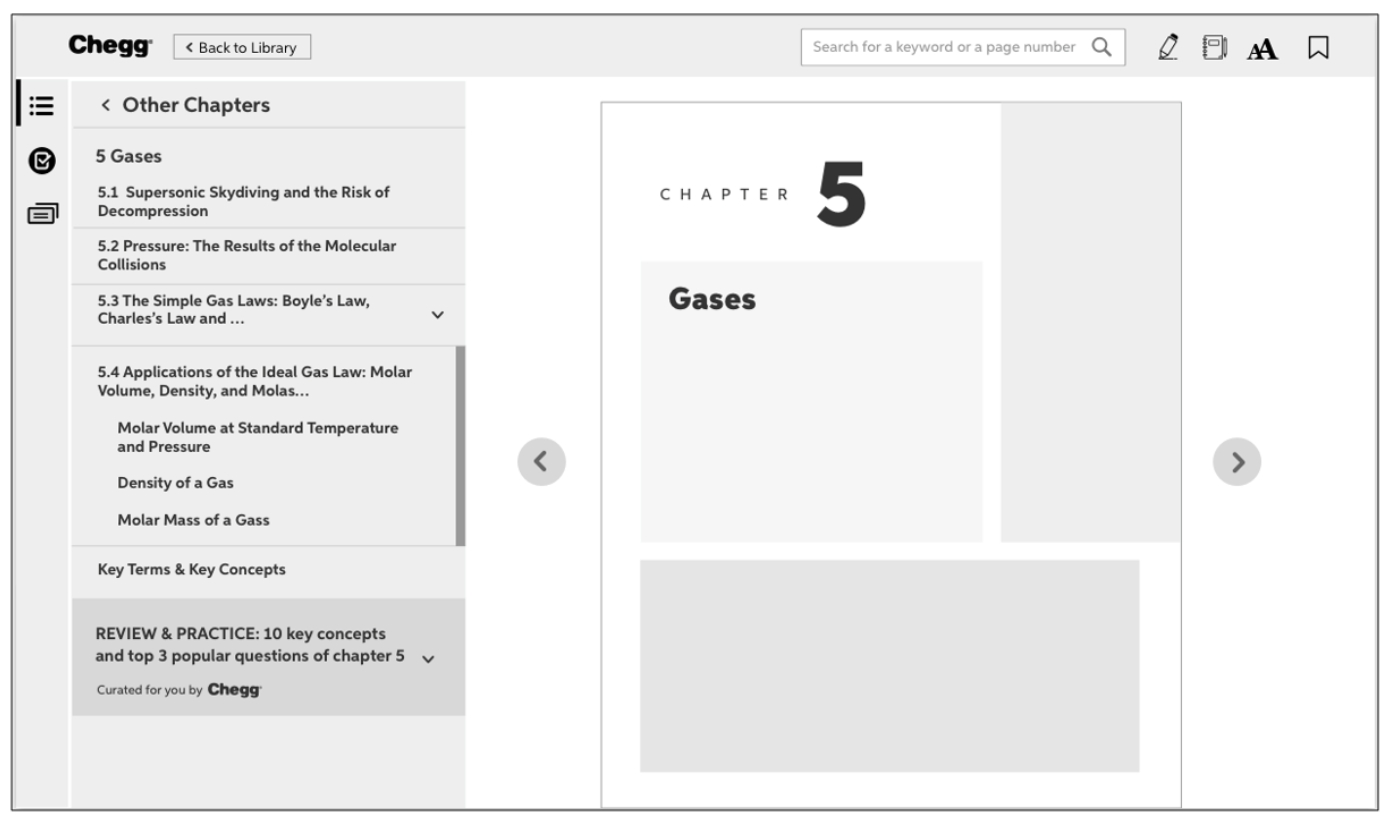
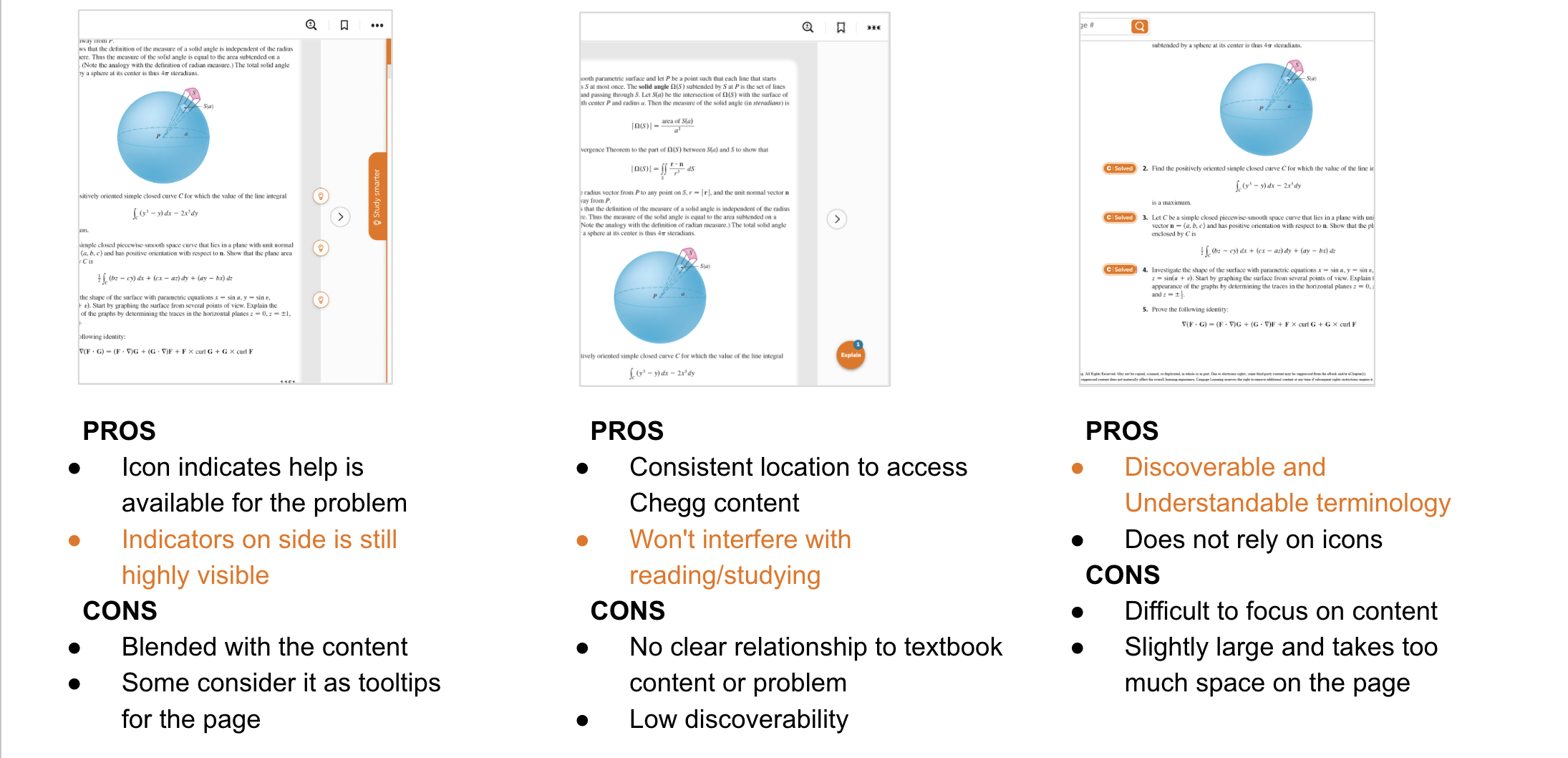
Based on the research insights, several design concepts were explored to improve the digital reading experience.
The exploration focused on:
- Improving navigation within textbook content
- Integrating study tools into the reading interface
- Making key information easier to discover
- Reducing cognitive load while studying
Solution
Final Version
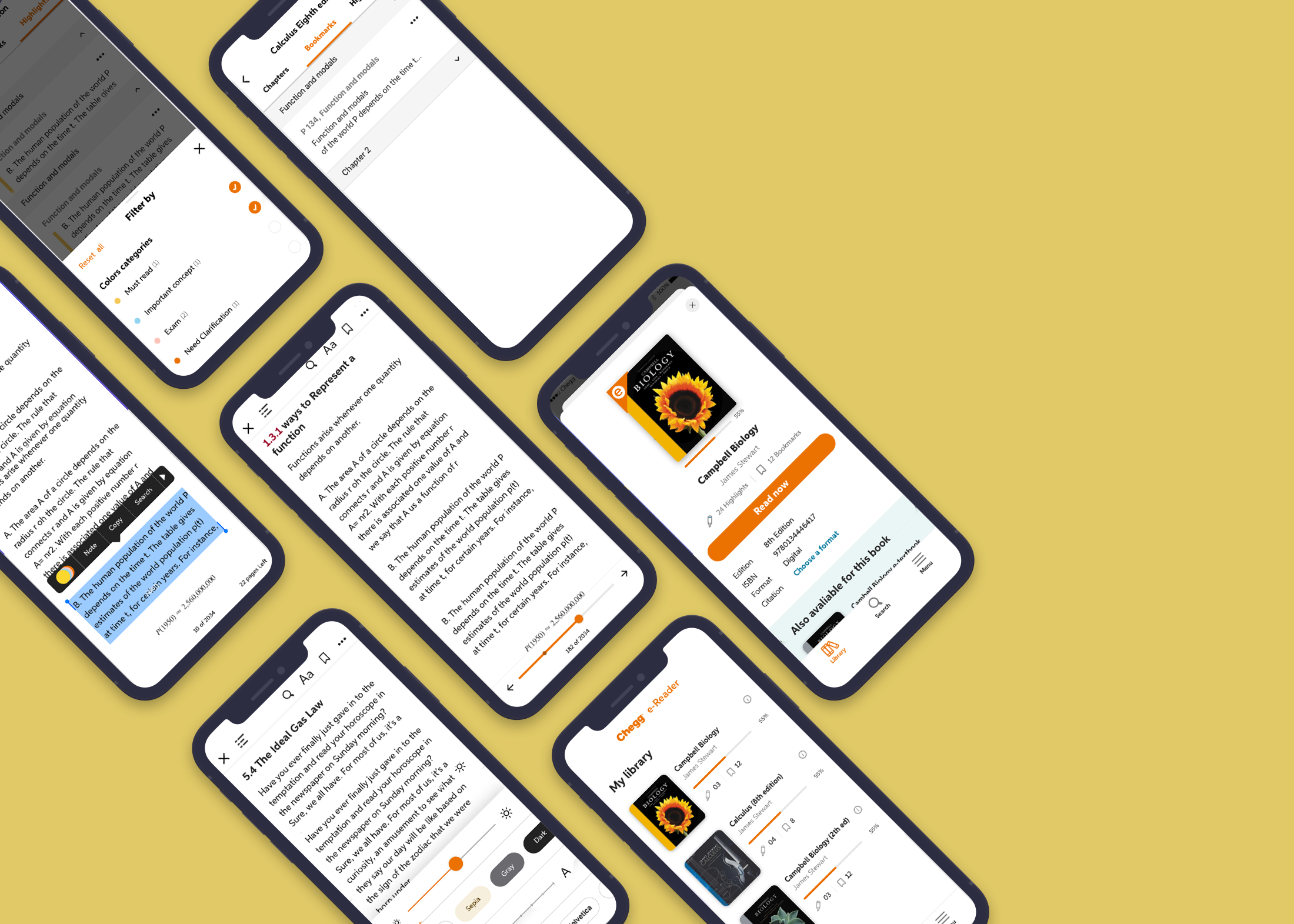
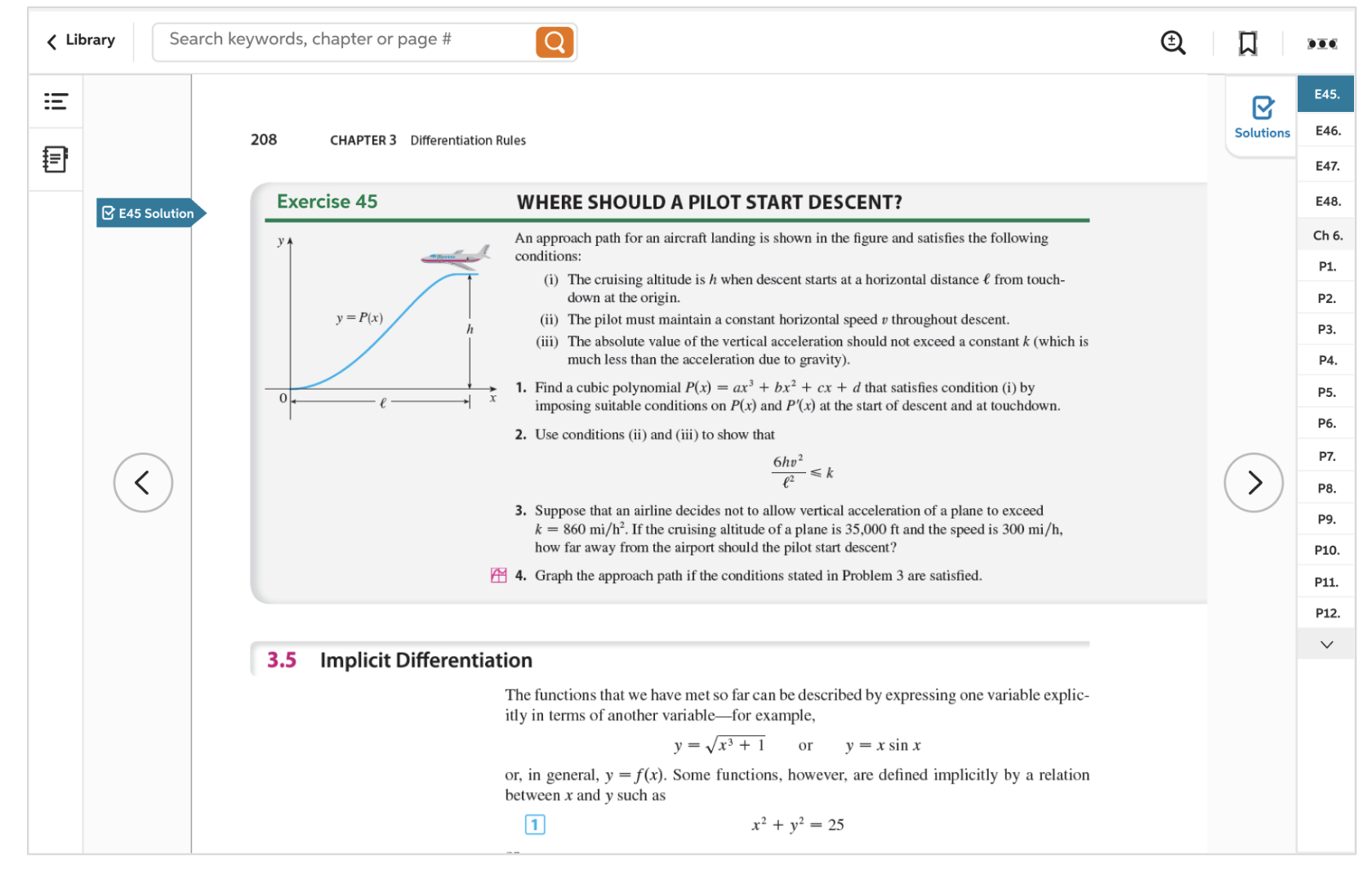
The final concept focused on creating a reading experience that supports how students actually study.
The solution emphasized:
- Faster navigation across textbook content
- Integrated study tools such as highlights and notes
- Clear visual hierarchy for academic content
- Reduced friction between reading and studying
Learnings
What I Learned
This project reinforced the importance of grounding product design decisions in real user behavior.
Through direct research with students, I observed how academic reading differs from traditional reading experiences. Students rarely read textbooks linearly; instead, they dynamically navigate content to locate specific information that supports their assignments and exam preparation.
The research highlighted how important it is to integrate study tools directly into the reading experience rather than treating them as separate features.
Key takeaways from the project:
Students interact with textbooks as information systems, not just reading material
Efficient navigation is more valuable than traditional page-based reading models
Study tools such as highlights, notes, and search must be deeply integrated into the reading flow
Early research significantly improves the quality of design decisions
Reflection
Reflection
This research demonstrated how early user insights can shape product direction and influence design decisions across the product team. Understanding real user behavior allowed us to move beyond assumptions and design experiences that better support how students actually learn.