Redesigning a complex media optimization tool to reduce friction and improve product adoption.
Beamr Cloud is a video optimization platform that helps teams compress and optimize video assets while maintaining high visual quality. The goal of the redesign was to simplify the user journey and allow users to experience Beamr's capabilities within minutes.
25min
Average time to value — before redesign
<5min
Target time to first successful optimization
0
Configuration steps to get started
CompanyBeamr
Project TypeProduct Redesign
RoleProduct Design Lead
UsersDevOps & Media Teams
Discovery
Discovering the Need
Beamr was originally designed as a powerful video optimization tool. However, when analyzing user behavior we discovered a major adoption problem.
Users who tried the platform often struggled to understand how to begin using it.
On average, it took around 25 minutes for users to understand the product value, and many abandoned the process before reaching meaningful results.
This revealed a critical usability issue: users could not quickly understand how to start using the platform.
Research
Understanding the Problem
To better understand where users struggled, we analyzed screen recordings and conducted research interviews with DevOps teams and technical users.
The research revealed several key issues:
The onboarding process was unclear
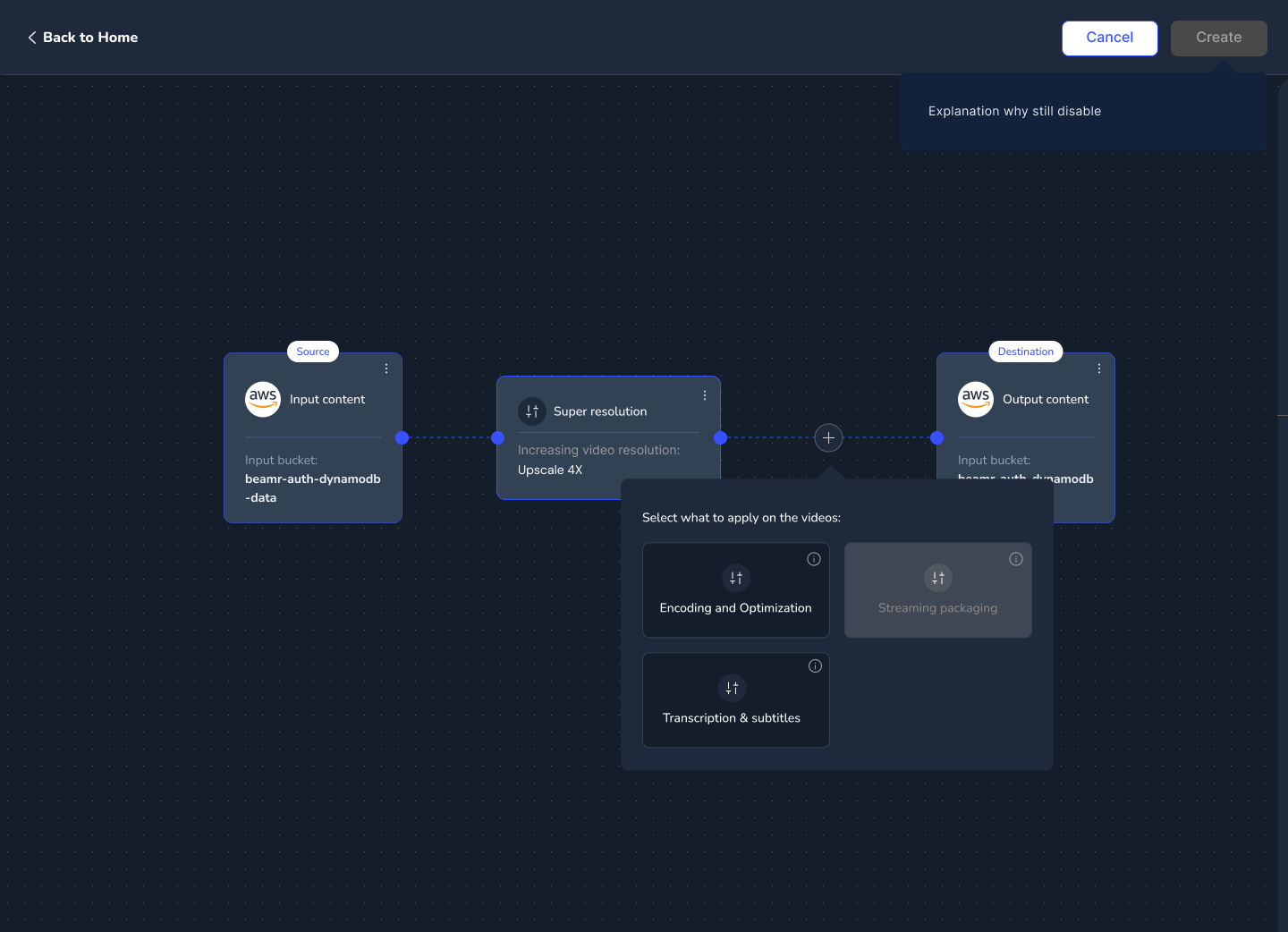
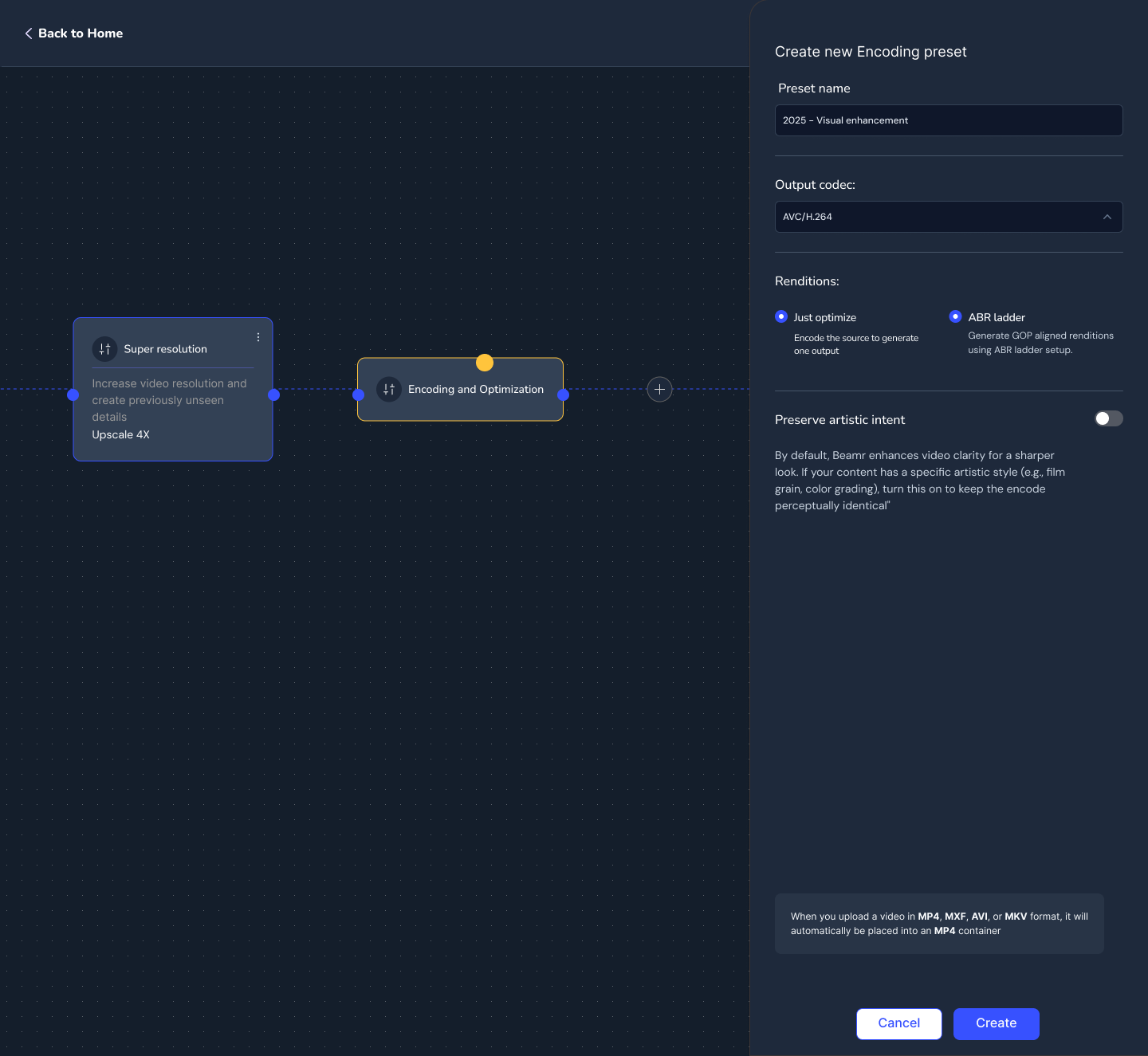
Users needed to configure complex workflows before seeing results
The system required technical knowledge to operate
Many users abandoned the product before experiencing its value
User Research
Understanding Our Users
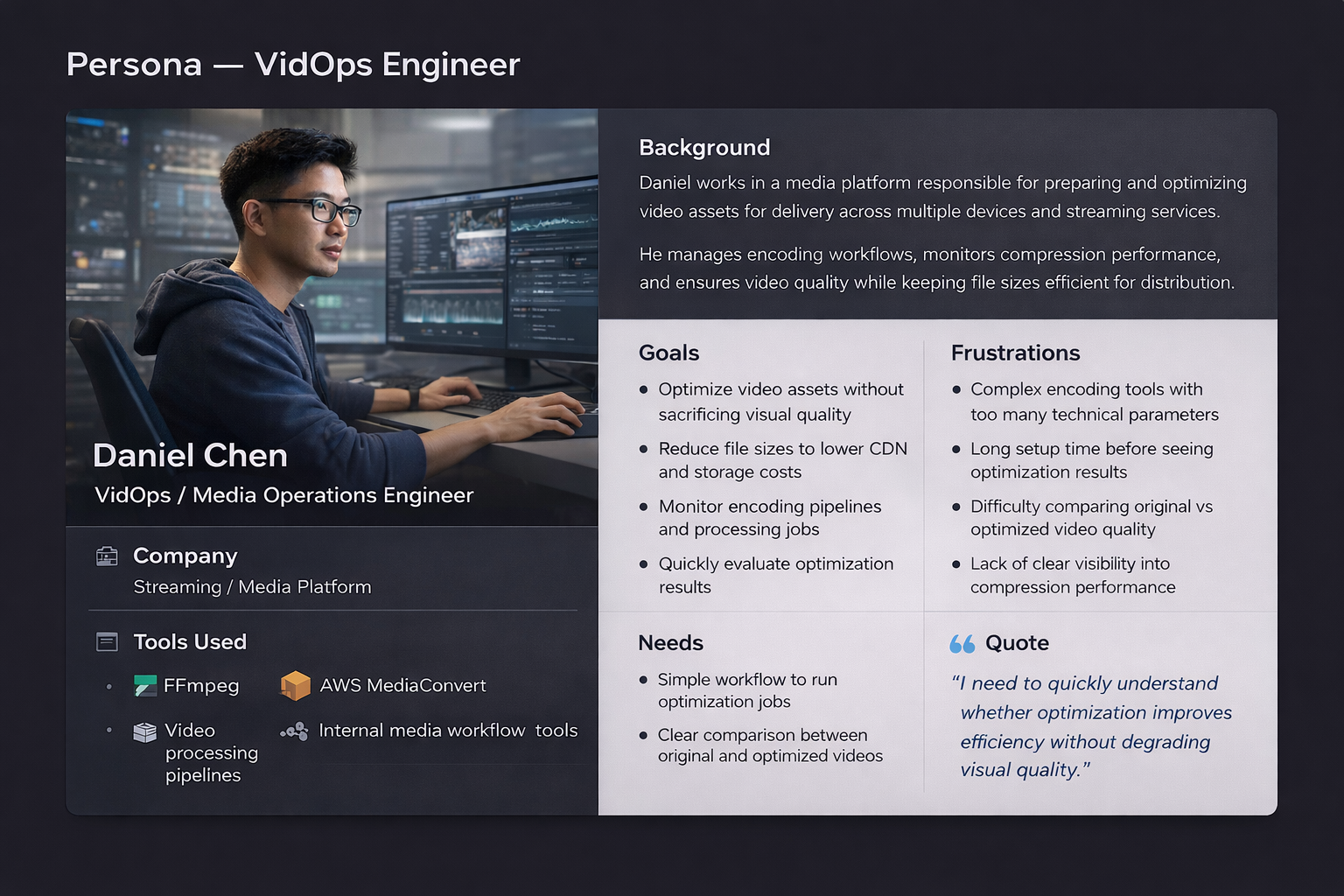
Through research interviews with media engineers and video operations teams, we identified the primary users responsible for managing video optimization workflows.
These users are typically part of Video Operations (VidOps) teams responsible for preparing video assets for streaming platforms and media delivery.
To better understand their workflows, motivations, and frustrations, we synthesized the research into representative personas.
This helped guide the design decisions throughout the product development process.
Key Insights
The persona helped highlight several important insights:
VidOps engineers need fast feedback on optimization results
Complex encoding tools create friction during onboarding
Users need clear comparison between original and optimized video
Reducing setup time is critical for product adoption
These insights directly influenced the design direction of the platform.
Design
Design Goal
Our goal was to reduce the time it takes for users to experience Beamr's value.
We focused on designing an onboarding experience that allows users to:
Start optimizing video immediately
Avoid complex configuration
Experience the quality and compression benefits quickly
Solution
The Solution — Beamr Playground
To address the onboarding challenges, we introduced a Playground experience that allows users to instantly interact with Beamr's capabilities.
The Playground removes the need for complex setup and allows users to experience video optimization immediately.
Pre-loaded files
Users no longer needed to search for or upload their own videos.
Pre-configured settings
Default settings allow users to run optimization without configuration.
Instant results
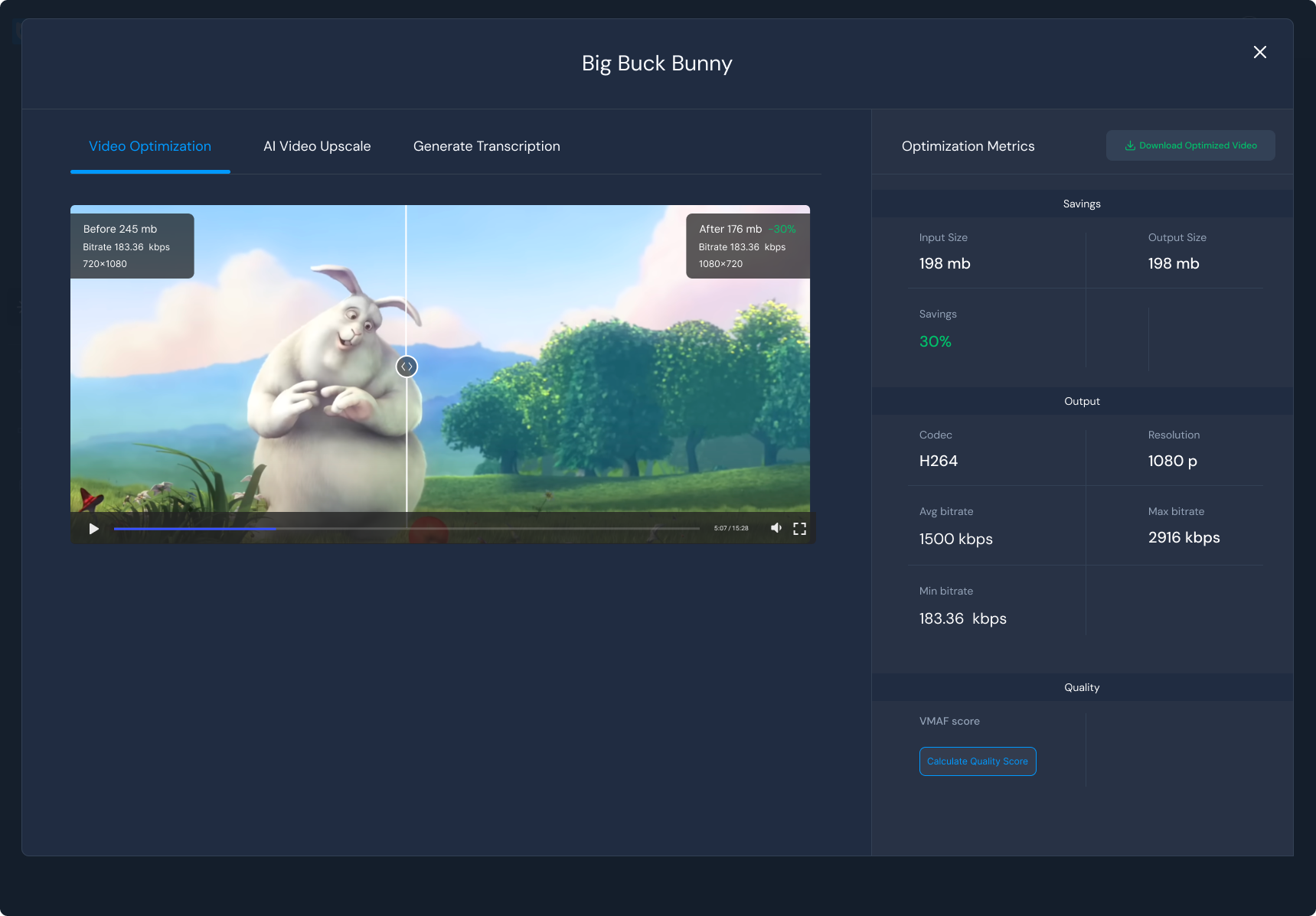
Users can immediately compare optimized videos.
This dramatically reduced the time it took users to experience the product's value.
Design
Visualizing Results
Another important aspect of the redesign was helping users understand the optimization results.
The interface allows users to compare:
Original vs optimized video
File size reduction
Compression performance
This made it easier for users to evaluate the impact of Beamr's technology.
Impact
Business KPIs
Improving the onboarding flow directly supports product adoption.
Key metrics that were considered:
Time to first successful optimization
User engagement with the playground experience
Reduction in user drop-off during onboarding
Increased product exploration
Product
More from Beamr Cloud
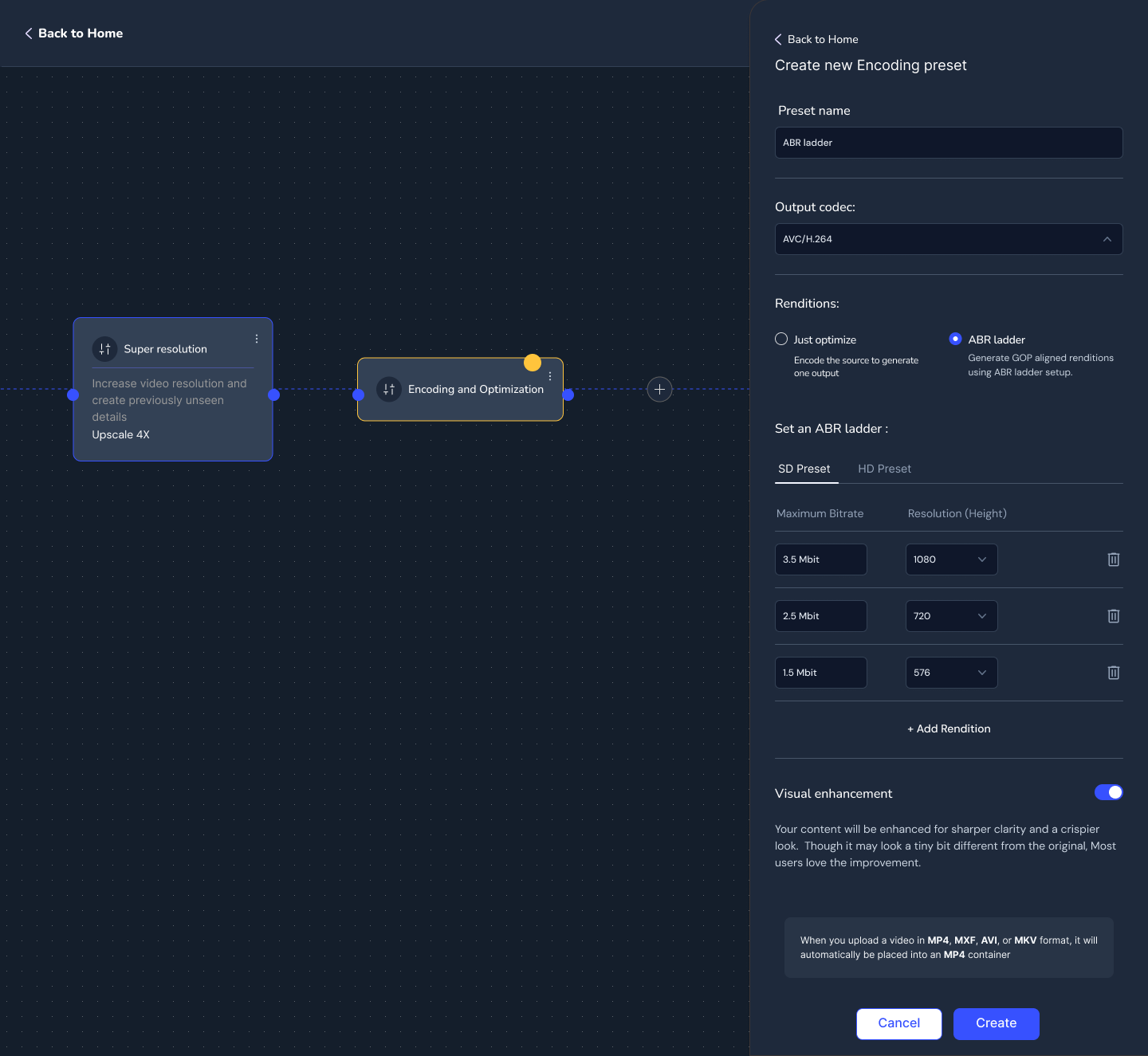
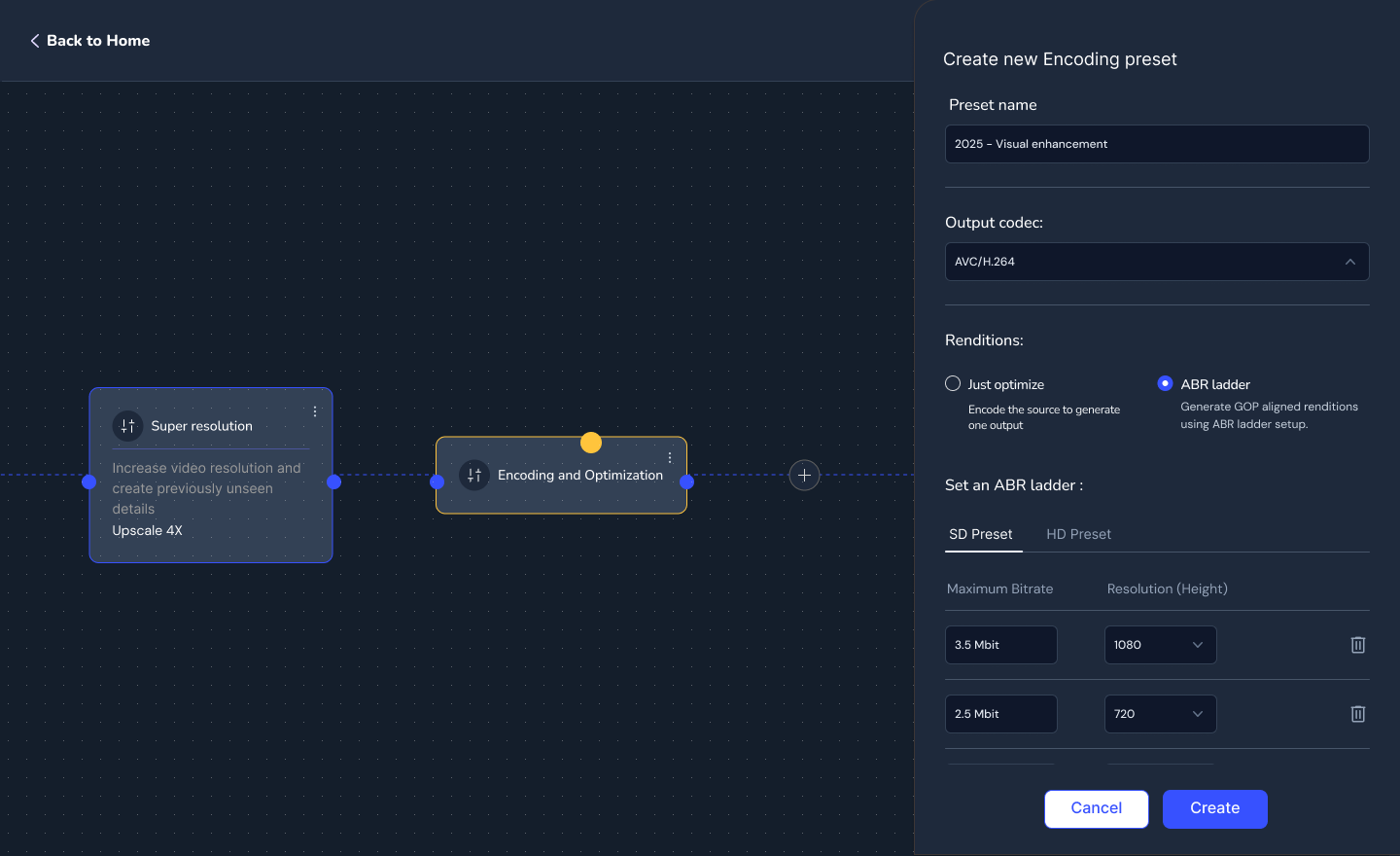
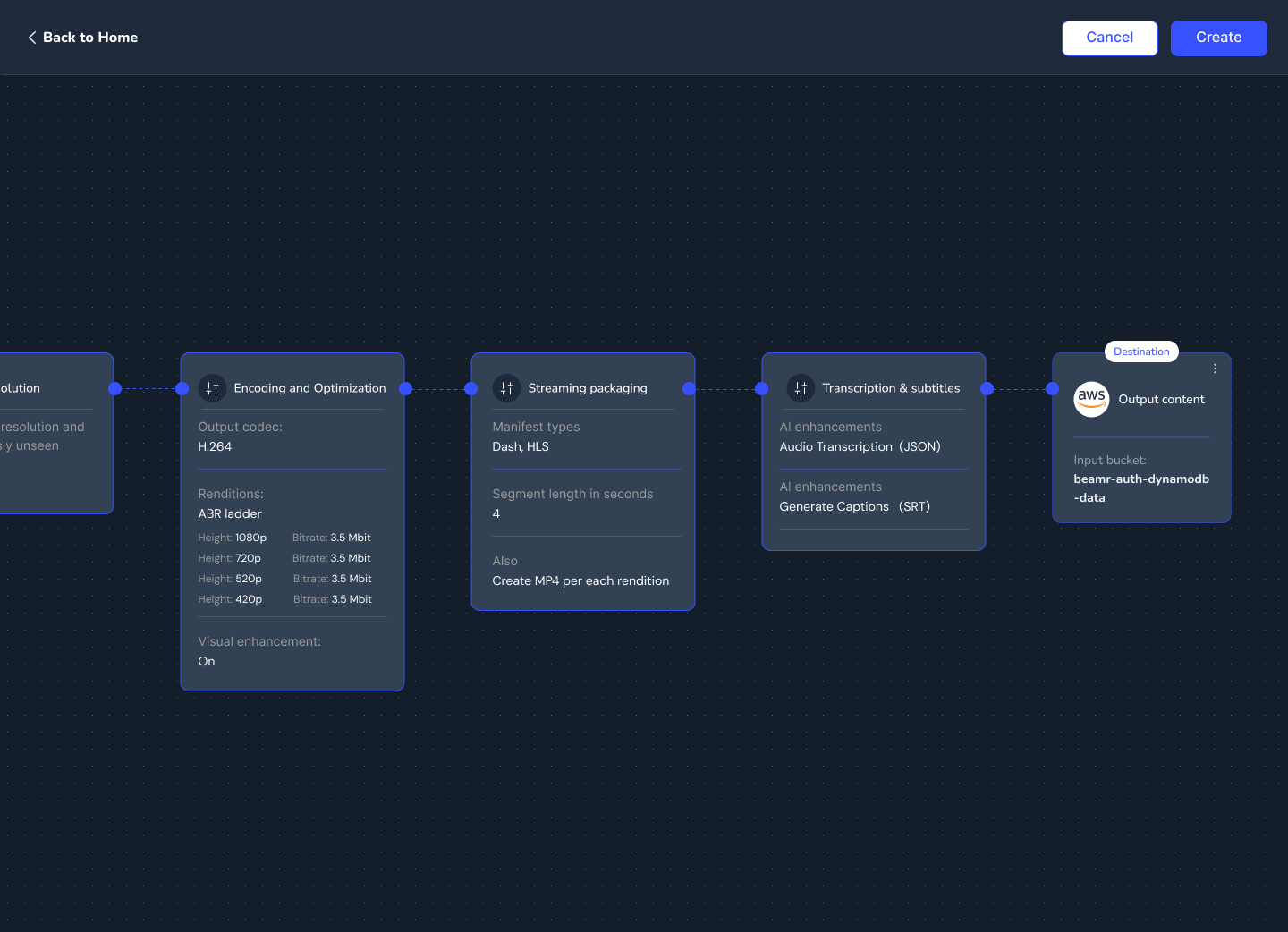
The redesign also influenced additional parts of the platform, improving workflow clarity and usability across the system.
Learnings
What I Learned
Designing for technically complex platforms requires balancing powerful functionality with accessibility.
Through this project I learned how important it is to reduce friction during the first product interaction.
Allowing users to experience value quickly is often the key to product adoption
Removing configuration barriers can dramatically improve onboarding success
Designing for technical users still requires simplicity at the entry point